

- Graphic design enters its most strategic stage
- 1. 3D elements as an everyday language
- 2. Digital collage and mixed media
- 3. Transparency, glass effects, and distortion
- 4. Ukiyo-e and the inspiration of craftsmanship
- 5. Subtle retro-futurism and nostalgia with a forward-looking vision
- 6. The Mishko and Frasubarne effect: digital motion as visual language
- 7. Blurry ethereal florals: visual poetry that connects emotion and design
- Tuatara – Design agency
If a brand wants to stay relevant in 2026, it must understand how design trends are evolving and what real impact they have on how people perceive, trust, and connect with it. Graphic design is no longer just a visual layer—it has become a strategic tool that intersects user experience, technology, storytelling, and business.
We’re not talking about fleeting styles or isolated visual fads. We’re talking about profound transformations driven by artificial intelligence, digital saturation, changes in content consumption, and the growing need for more human, coherent, and memorable experiences.
These are the trends shaping the new creative landscape and how to apply them with strategic insight.
Graphic design enters its most strategic stage
For years, design was judged mainly by its aesthetics. In 2026, its value lies in its ability to solve problems, guide decisions, and evoke emotions aligned with brand goals. Today’s design trends are born from clear cultural signals: fatigue with the artificial, a search for authenticity, well-executed nostalgia, and an increasingly close relationship between technology and human creativity.
Artificial intelligence has accelerated processes, but it has also raised the bar. Today, what sets a brand apart isn’t the tools it uses, but how it translates data, context, and creativity into coherent visual systems.
For a design agency, this means moving beyond isolated pieces and starting to design complete visual ecosystems.
1. 3D elements as an everyday language
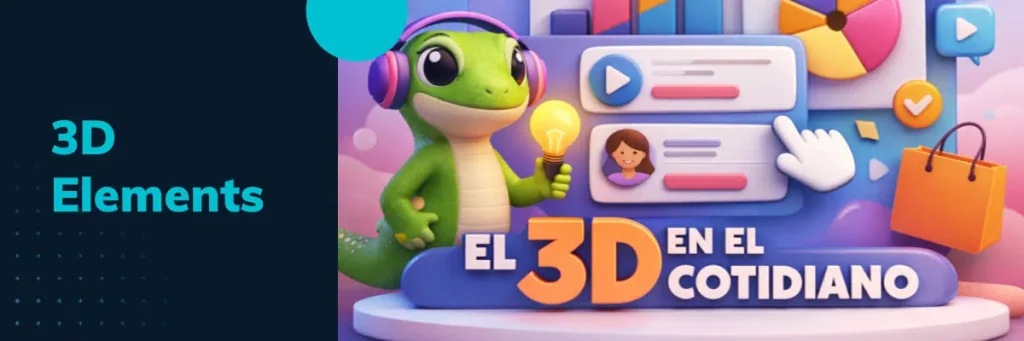
3D design is no longer reserved for complex or high-budget projects. By 2026, it has become an everyday visual language that spans brand identities, digital interfaces, illustration, motion graphics, and interactive content. The evolution of more accessible tools—many powered by artificial intelligence—has made 3D more agile, flexible, and easier to integrate into real creative workflows.
But the key is no longer hyperrealism. Brands are embracing soft volumes, organic shapes, simplified textures, and friendly compositions that add depth without overwhelming the experience. 3D is used to guide attention, reinforce visual hierarchies, and create a sense of closeness that better connects with the user.
When applied strategically, these resources enable more intuitive interfaces, more immersive visual storytelling, and graphic systems that adapt seamlessly across different formats and platforms. For a design agency, the challenge isn’t just to “use 3D,” but to determine when it adds value, when it enhances the experience, and how it integrates coherently with the brand’s identity.
2. Digital collage and mixed media
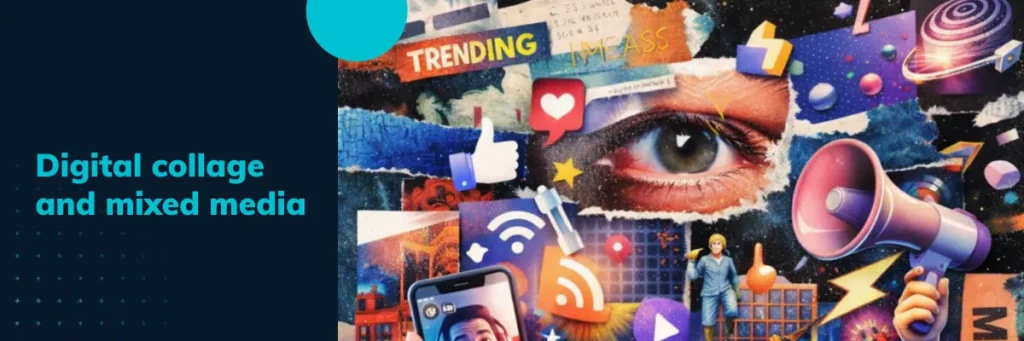
Collage is making a comeback—not as a nostalgic trend, but as a modern visual language that reflects how we consume information today: fragmented, non-linear, and packed with stimuli. Mixed media blends photography, illustration, typography, 3D elements, and organic textures to create richer, more expressive narratives.
Why it works:
- It breaks rigid structures and creates strong visual contrast.
- It makes compositions feel alive, imperfect, and human.
- It captures attention in saturated environments and instantly conveys brand personality.
How to apply it strategically:
- Combine digital and physical layers to tell complex stories without losing coherence.
- Perfect for editorial campaigns, social media, and cultural projects where every detail adds context.
- Use digital tools and AI to experiment, but keep creative intent as your guiding principle.
- Avoid visual chaos—every element should add meaning, not just decoration.
At Tuatara, we see digital collage and mixed media as a tool for brand differentiation: it allows brands to express themselves with visual richness while maintaining coherence and relevance in a world where every second of attention matters.
3. Transparency, glass effects, and distortion
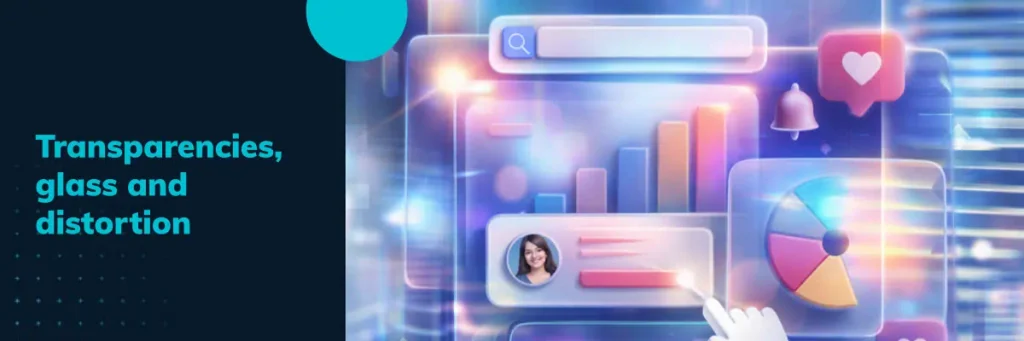
In 2026, transparency, glass-like effects, and optical distortions have become key resources to convey innovation, depth, and visual sophistication. This aesthetic—based on translucent layers, light refractions, and controlled blurs—adds a sense of dynamism without relying on cluttered compositions.
Beyond visual impact, this trend serves a functional purpose: helping to prioritize information, guide the user’s eye, and create smoother transitions between elements in digital interfaces and graphic systems. When applied with intention, glass effects don’t distract—they enhance readability and improve the navigation experience.
From a brand perspective, these resources work particularly well in tech environments, digital products, and services that aim to communicate modernity, precision, and continuous evolution. However, overuse can result in visual noise or accessibility issues, so design must balance aesthetics with usability.
For a design agency, the real value of this trend lies in knowing when it brings clarity and when it’s merely decorative. Integrating transparency and distortion strategically enables the creation of more immersive, coherent visual experiences that align with business objectives—without compromising functionality or brand identity.
4. Ukiyo-e and the inspiration of craftsmanship
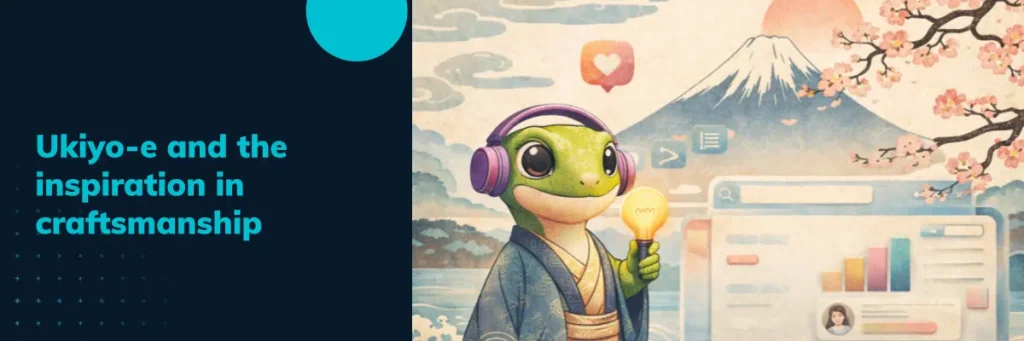
The traditional Japanese art of Ukiyo-e is making a comeback in 2026 as a source of inspiration for modern digital design. Its fluid lines, flat color fields, and meditative compositions bring balance and calm in contrast to the overstimulation of the digital age.
Why it’s relevant:
- It’s not about replicating the historical style, but reinterpreting its essence: attention to detail, harmony, and meaningful storytelling.
- It helps brands convey sophistication and authenticity in a world saturated with flashy effects.
- Its serene and elegant aesthetic creates a deep emotional connection with the audience.
How to apply it strategically:
- Ideal for branding, packaging, and editorial content that aims for clarity and aesthetic value.
- Works well in digital experiences, adding calm and focus to visual narratives.
- Pairs nicely with other modern trends like minimalist typography or soft color palettes, while maintaining coherence.
At Tuatara, we see Ukiyo-e as an elegant tool for differentiation: it allows brands to communicate authenticity and sophistication, standing out in an overstimulated visual environment.
5. Subtle retro-futurism and nostalgia with a forward-looking vision
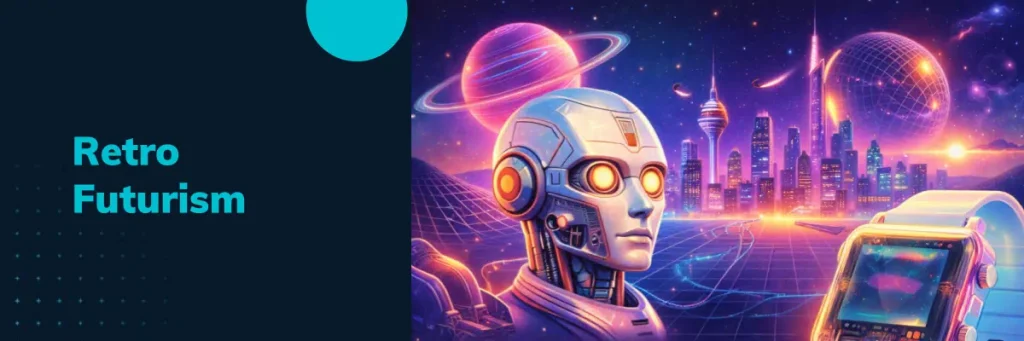
Retro-futurism continues to trend in 2026, but now with a more subtle and sophisticated approach. Inspired by past visions of the future, it blends sci-fi typography, metallic gradients, neon flares, and mid-20th-century tech aesthetics—balanced with clean, minimalist design. The result is a style that evokes nostalgia without sacrificing modernity, offering brands a way to explore innovation with warmth and familiarity.
This trend carries clear strategic value: it enables brands to connect with audiences who appreciate visual history and culture while projecting innovation and contemporary relevance. Subtle retro-futurism helps create a distinctive visual identity, convey creativity, and capture attention—without overwhelming the user with excessive graphic elements.
6. The Mishko and Frasubarne effect: digital motion as visual language
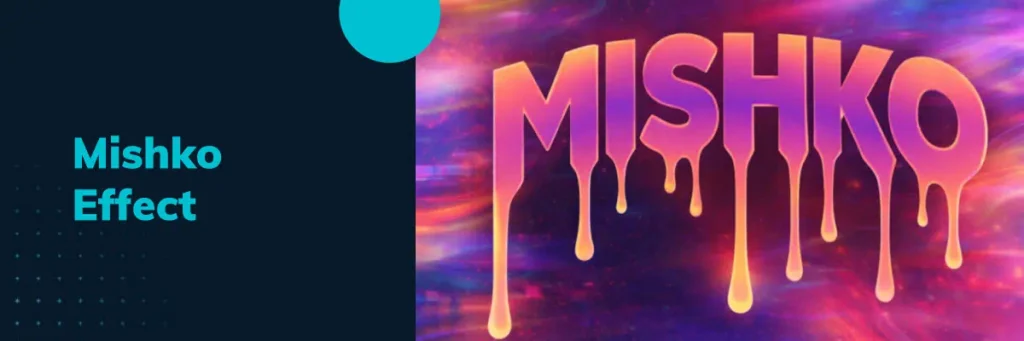
In 2026, graphic design moves—distortion, fluidity, and layering become narrative tools that convey energy, emotion, and depth beyond static forms.
Why it matters:
- Mishko: inspired by digital distortion, warped chromatic waves, and glitch-like textures. It communicates controlled chaos, rhythm, and speed—mirroring how the digital generation consumes fragmented content.
- Frasubarne: brings softness and dreamlike atmospheres through organic transitions of color, shape, and light. It evokes calm, mystery, and sustained attention.
- This approach allows brands to tell emotional and complex stories—beyond the literal and static.
How to apply it strategically:
- Ideal for interactive interfaces, motion graphics, and digital branding where the visual experience takes center stage.
- Differentiates brand identity without overwhelming the viewer with flashy effects.
- Blends visual innovation with emotional storytelling to drive engagement and memorability.
Also worth reading: Is UI design dead? AI is rewriting the rules of web design
7. Blurry ethereal florals: visual poetry that connects emotion and design
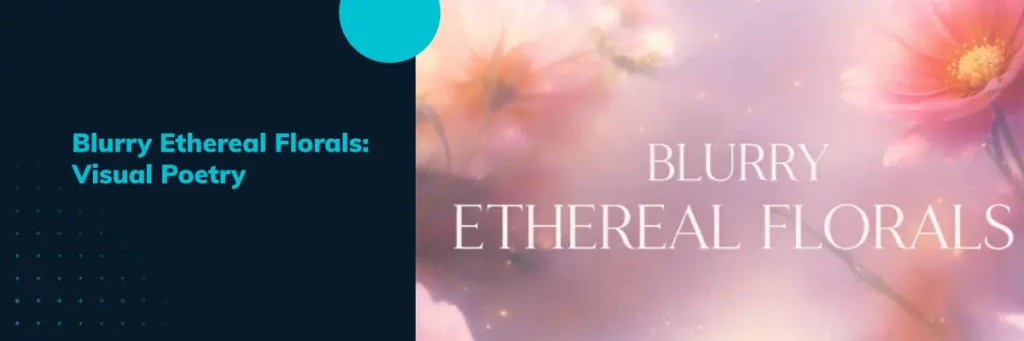
In 2026, blurry ethereal florals stand out as one of the most delicate and impactful trends in graphic design. This style blends the softness of nature with the precision of digital technology, creating ethereal, dreamy compositions full of emotion. Blurred flowers, soft gradients, and translucent layers evoke a sense of movement and lightness that invites the viewer to pause and look more closely.
Strategically, this trend goes beyond aesthetics—it allows brands to express values such as sustainability, artistic sensibility, and attention to detail. It’s ideal for editorial projects, packaging, branding of natural or luxury products, and any communication aimed at forging a deep emotional connection with the audience. Pastel tones and diffused light effects convey calm and sophistication, standing out in visually saturated digital environments.
To apply it effectively:
- Use floral silhouettes with blur or diffused light effects to create depth and motion.
- Pair with thin, minimalist typography that doesn’t compete with the softness of the imagery and enhances the elegance of the design.
- Integrate this trend into sustainable or high-aesthetic projects where the visual narrative must convey care, authenticity, and a connection to nature.
Tuatara – Design agency
At Tuatara, we believe design is not just about aesthetics—it’s about strategy and connection. The graphic design trends for 2026 are not fleeting fads; they are opportunities for your brand to stand out, drive engagement, and create memorable experiences.
We combine creativity, data, and technology to apply trends like Blurry Ethereal Florals, Ukiyo-e, or 3D elements in a strategic way. We design interactive, personalized, and consistent content across all channels—ensuring that every design serves a real purpose: making your brand relevant and unforgettable.
At Tuatara, we don’t follow trends—we interpret and adapt them so your brand can lead in 2026.